
Incident Commander Training

On-Site Incident Commander Training
This course prepares an individual to have the necessary ability, knowledge, and skills to manage a hazmat response successfully. Utilizing the Incident Command system developed by the fire industry, the commander will learn how to integrate with all outside agencies.

Get A Free Consultation

Industrial Consultants PSM Inspection & Compliance

What is an
Incident Commander?

An Incident Commander is the person responsible for all aspects of an emergency response including developing incident objectives, managing all incident operations and applying resources as well as being responsible for all persons involved. The Incident Commander must immediately take charge of the event -- The decisions the Incident Commander makes in the first five to ten minutes will dictate the outcome of the event.

The decisions made by the Incident Commander have the potential to change the lives of the people in and around the facility. Therefore, proper and extensive training of not only the Incident Commander, but also the other employees is crucial.

We Bring Our Experts To Your Facility

Training will empower the Incident Commander to align all involved employees in the event of a hazardous situation. Keeping everyone on the same page during a hazardous situation provides the best chance of getting everyone home safely. All personnel includes not only the employees, but also the contractors, truck drivers and the community that is surrounding your facility. 
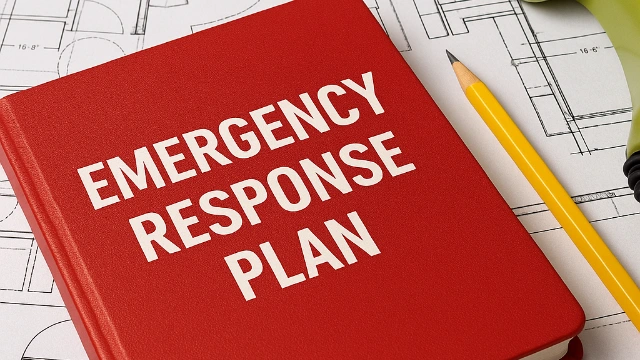
 Additionally, the Incident Commander must be able to understand and interpret the Emergency Response Plan and the Emergency Action Plan that are in place for the facility. These plans dictate what to do, how to proceed and the appropriate time to set the plans in motion. 

On-Scene Incident Commander Training

Requirement

OSHA 1910.120(q)

Duration

8 Hours

Description

This course is designed to meet the requirements of OSHA for Incident Commander training of emergency response personnel who will respond to leaks or spills of chemicals for the purpose of stopping the leak or spill. It is specifically aimed at ammonia users, but will relate to many other chemicals. It can be tailored to other specific chemicals in your workplace.


OSHA requires that all personnel who are expected to lead the response teams that respond to spills or leaks must have this training.

Scope

This course covers:

  • Incident Command Structure
  • The Critical Elements of Incident Response
  • Hazard and Risk Assessment
  • Transfer of Command
  • Emergency Response Plan Review
  • Site Security
  • Site Management Control

Prerequisite

HAZWOPER 24 Hour

Who Should Attend

Your plant should have a minimum of two trained Incident Commanders per shift. The Incident Commanders come from a cross section of personnel generally ranging from members of management, engineering, maintenance, refrigeration, safety and production.

Related Posts

Incident Commander Questions & Answers

01 Why is incident commander training important?

Without incident commander training, the individuals in charge will not have a clear understanding of the regulations required during a hazmat response. Nor will they be trained to size up and develop action plans. Companies will ultimately be responsible for all actions taken. Trained incident commanders reduce the cost involved, including loss of life, property and even the business.

1910.120(q)(6)(v) states that anyone who assumes control of the incident beyond the first responder awareness level shall have at least 24 hours of training. Additionally, he/she must have the competency to implement the employer’s incident command system, emergency response plan, understand hazard risk, know how local emergency responders will interact and know how state emergency response works.

Yes, 1910.120(q)(8)(i) mandates that those employees who are trained in accordance with paragraph (q)(6) of this section shall receive annual refresher training of sufficient content and duration to maintain their competencies, or shall demonstrate competence in those areas at least annually.

Industrial Consultants are outreach OSHA trainers and have personal experience at the facility level. In addition, we have been training facilities from day one of the HAZWOPER Standard (March 6, 1990) when OSHA enacted the standard. We have a plethora of degreed personnel with several disciplines and backgrounds in our organization.