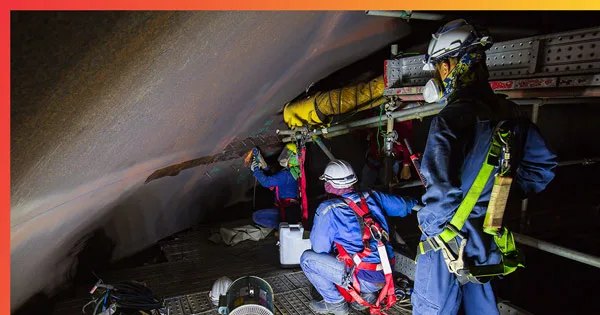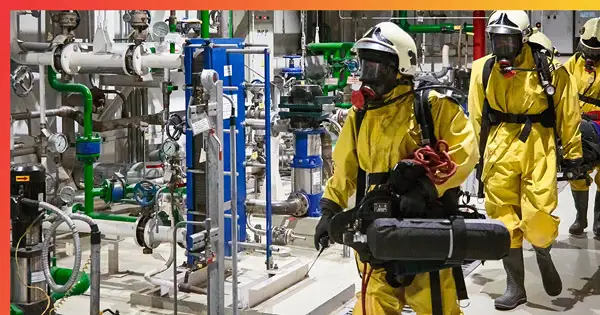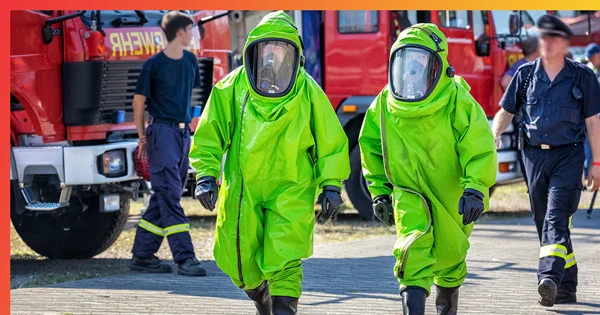

Hazardous materials are a reality in many industrial and commercial environments. Whether handling chemicals, fuels, or other hazardous substances, the potential risks associated with an accidental spill, leak, or exposure demand a robust and well-coordinated hazmat response strategy. A swift and effective hazmat response is critical to safeguarding employees, the surrounding community, and the environment.
Protecting Your Workforce
The well-being of your employees is our top priority. Exposure to hazardous substances can lead to serious health complications, ranging from respiratory issues to long-term illnesses. By maintaining a strong hazmat response plan, complete with proper training, personal protective equipment (PPE), and emergency protocols, you ensure that your team can safely manage incidents and mitigate risks effectively.
Minimizing Environmental Impact
A spill or accidental release of hazardous materials has the potential to cause lasting environmental damage. Contaminated soil, polluted water sources, and toxic air emissions can harm ecosystems and threaten local communities. A well-prepared hazmat response team can quickly contain and neutralize spills, preventing the spread of contaminants and minimizing environmental impact.
Responsible Decision-Making Under Pressure
Emergencies often require split-second decisions, and accountability ensures these choices are informed rather than impulsive. Employees must act based on established emergency protocols rather than fear or uncertainty. Leaders and safety officers bear the responsibility of making sound decisions that prioritize protection and efficiency, preventing unnecessary risks and guiding teams through the crisis.
Ensuring Operational Continuity
Hazmat incidents can lead to disruptions in daily operations, causing delays and financial losses. Implementing a structured response plan allows for prompt containment, cleanup, and restoration, reducing downtime and ensuring business continuity. By proactively addressing potential hazards, you protect both your employees and your long-term operational success.
Commitment to Safety and Compliance
Regulatory agencies enforce strict guidelines regarding hazardous materials handling and emergency response procedures. By maintaining compliance with safety regulations, conducting regular training, and investing in response resources, your facility demonstrates its commitment to workplace safety and environmental stewardship.
Conclusion
A strong hazmat response strategy is not just a precaution—it is a necessity. At your facility, preparedness, rapid action, and adherence to safety protocols ensure that you protect people, the environment, and your business. By prioritizing hazmat response, you foster a culture of safety, responsibility, and resilience.