
Anhydrous Ammonia
Ammonia is a colorless gas in lower concentrations. In higher concentrations it can form a white cloud. An extremely pungent odor is detectable from 5 ppm and becomes irritating at 25 ppm. Liquid ammonia is transported under pressure.
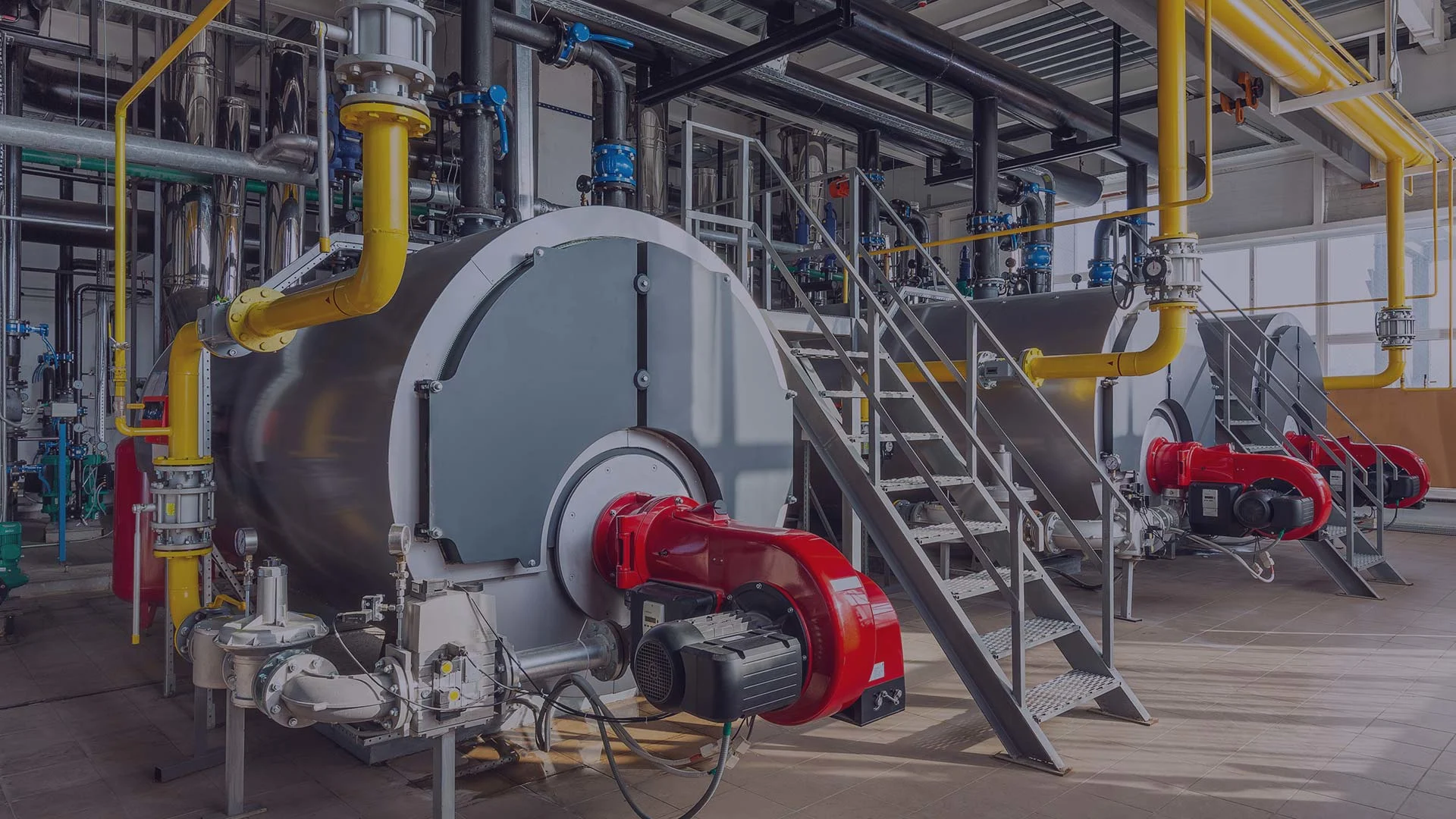
The Making of Ammonia
The making of ammonia is one of the most important processes in the chemical industry.It is an essential ingredient in the manufacture of fertilizers, explosives, and many other chemicals and products along with being used for refrigeration.
In the 19th and early 20th century the largest supply of ammonia came from guano deposits (sea gull droppings) along the coast of Chile. Although some ammonia was made by the destructive distillation of coal and other processes, these were not economical at the time.
The Uses of Ammonia
Ammonia is considered a health hazard because it is corrosive to the skin, eyes, and lungs.
Prolonged contact at concentrations greater than 300 ppm can cause permanent injury or death. Fortunately, ammonia has a low odor threshold (20 ppm), so most people will seek relief at much lower concentrations.
Information and Toxicology of Ammonia
Ammonia is stable. It reacts with oxidizing agents and strong acids. Contact with chlorine, bromine, iodine and hypochlorites can be explosive.
Ammonia and most acids will react with a great amount of heat given off during the neutralization. Ammonia will ignite in contact with nitric acid vapors. Ammonia will corrode copper, brass, bronze and galvanized steel.
Understanding Ammonia Refrigeration Systems
As far back as we can remember man has used ammonia for one reason or another. It is in fact the oldest known refrigerant. It is successfully utilized in many industries including food, petrochemical and pharmaceutical. So why is it so misunderstood?
In this article, we will attempt to clear up and demystify anhydrous ammonia, which is a formulation void of water, as it relates to refrigeration. We will discuss the benefits and drawbacks of this ammonia refrigerant as well as review leak detection and safe handling procedures.